 When it comes to media education, we usually think of adults teaching young people how to navigate the digital world safely and responsibly. But what happens when we reverse these roles?
Young people grow up in a digital environment that is constantly evolving. They experience social media, online communities, trends and digital communication in ways that adults may not always fully understand. Their experiences and perspectives are a valuable resource for media education.
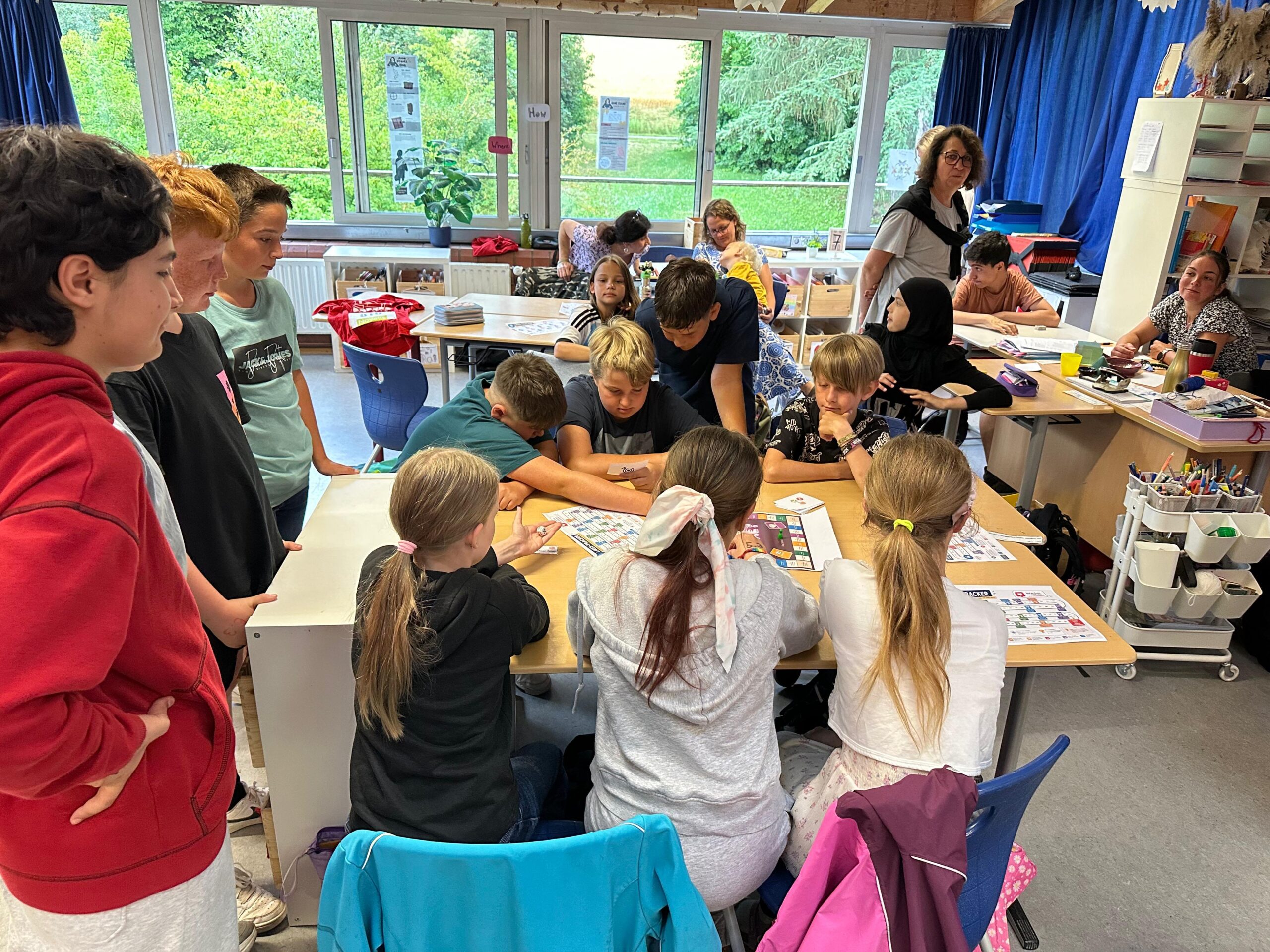
In our European MILES project, we explore this potential through a flipped classroom approach that encourages students to become active contributors to the learning process. By developing their own educational board games, students have the opportunity to share their knowledge, raise issues that matter to them and engage adults in conversations about the digital world.
This approach is not about replacing the expertise of teachers or parents. Rather, it is about creating opportunities for mutual learning. While adults can contribute their experience and guidance, young people can offer insights into their digital realities, the challenges they encounter and the strategies they use to navigate them.
Such intergenerational dialogue can help bridge the gap between different experiences of the digital world, encourage mutual understanding and create a stronger foundation for media literacy education.
After all, developing critical thinking starts with being curious, asking questions and being open to different perspectives – regardless of our age.
Sometimes, the best way to teach is to listen and learn from those we usually teach.